
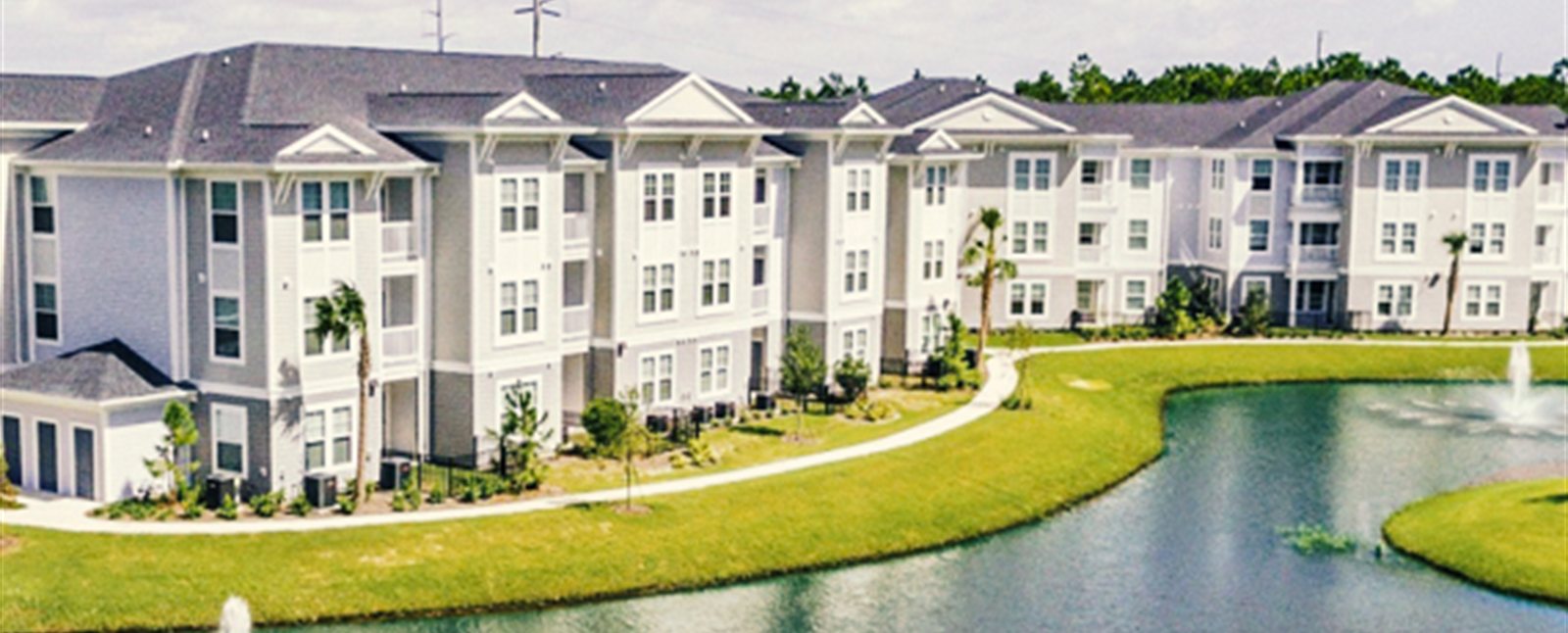
A new clubhouse, a renovated unit, or a freshly resurfaced pool can make a community look like the business plan. None of those things collect rent, answer a maintenance call, or talk a resident through a renewal. People do. On a multifamily property, that work runs through a small onsite team, and the person at the center of it is the community manager.
Budgets, renovations, and amenities still matter. They do not operate themselves. A strong community manager is how a business plan becomes a daily habit.
What the role actually covers
The title sounds administrative. The job is the property's operating system. On a typical week, a community manager is responsible for:
- Leasing. Pricing, follow-up, tours, applications, and how quickly a vacant unit gets a new resident.
- Renewals. Starting the conversation early and making staying feel easier than moving. We covered why that second lease matters in resident retention.
- Collections. Addressing late rent early, consistently, and fairly.
- Maintenance. Turning work orders around, coordinating vendors, and deciding what gets fixed today.
- The team. Leasing consultants, assistant managers, and service staff take their cue from the person leading the office.
- The resident experience. The tone of the office, the condition of the grounds, and whether people feel known.
Each of those shows up in occupancy, expenses, or both. That is net operating income. It is also why we say the community manager is the business plan: the underwriting assumed someone would actually do these things well.

Amenities do not replace the team
Residents notice a fitness center, a pool, and a clubhouse. They also notice when equipment is broken, the pool is closed without explanation, or a work order sits for a week. The amenity is the promise. The onsite team is whether the promise holds on a Tuesday afternoon.
Capital spent on the property can raise what residents are willing to pay. It cannot replace a manager who knows the rent roll, the make-ready pipeline, and which residents are deciding whether to stay. A renovation without that person is a nicer building with the same leaks in performance.

Keeping the manager is part of the plan
Replacing a community manager is more expensive than it looks on a payroll report. A new manager needs months to learn the residents, the vendors, the city's quirks, and which units are trouble. Leasing follow-up slips. Renewals get rushed. The team underneath spends its energy adjusting instead of serving residents.
Holding onto a good manager takes the same seriousness as any other part of operations:
- Training that covers leasing, fair housing, maintenance standards, and the numbers the owner actually watches
- Clear authority to solve resident problems without waiting on a distant approval for every decision
- Support from a regional team when staffing, a difficult resident situation, or a capital project is more than one office can carry
- A reason to stay: fair pay, a path to grow, and an owner who treats the onsite team as part of the investment, not a line item to squeeze
How this shows up after a purchase
The first months after an acquisition are when this either gets established or gets deferred. Roles, expectations, and service standards have to be clear before the renovation schedule takes over the conversation. We described that stretch in the first 90 days after acquisition.
Cypressbrook manages the communities it is involved with, so the people underwriting a plan are tied to the people asked to carry it out. The community manager is not a vendor at the end of a contract. The manager is how the plan meets the residents.
What owners can watch
A manager's effect is visible in a short list of operating results:
- Occupancy and how long units sit vacant
- Renewal rate
- Delinquency, and how quickly it is addressed
- Work-order turnaround
- Whether the onsite team itself is stable
When those move the right direction together, the business plan is being run by someone, not only written by someone.
Looking for ownership-minded management?
See how Cypressbrook Management supports onsite teams and helps multifamily communities protect income, residents, and the business plan.
View ManagementThis article is for informational purposes only and reflects general management perspectives. Practices and results vary by property, market, staffing, and business plan. Past performance of any asset or strategy does not guarantee future results.