

Cypressbrook builds new Ariza communities from the ground up, and it also buys and operates existing apartment communities. Both can be solid multifamily investments. They just behave very differently once your capital is in the deal.
Partners sometimes ask which one is "safer." The honest answer is that neither is risk-free. The risk shows up in different places, at different times, and is managed in different ways. Understanding where it sits is the first step in deciding which kind of deal fits your goals.
The short version
- Development deal. Longer timeline, little or no cash flow early on, and returns driven mostly by creating value: building a property worth more than it cost to deliver.
- Existing-property deal. Typically, a shorter path to distributions, returns driven by in-place cash flow, and a business plan to improve operations and/or the underlying asset.
The rest of this article looks at timeline, cash flow, return mechanics, and where the risk sits in each.
Timeline: years versus days
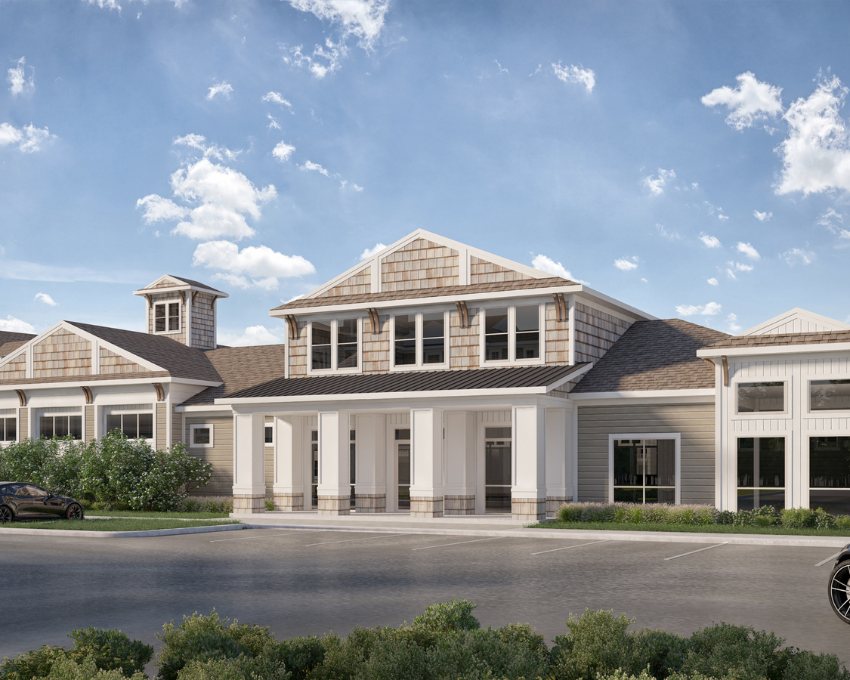
A development deal runs on a long clock. Before construction starts, there is site selection, entitlements, design, and financing. Construction itself commonly takes a year and a half to two years for a garden-style community, and lease-up to stabilized occupancy can take another year or more after that.
Ariza 290 West in Dripping Springs is a good illustration. City Council approval came in 2022 after the team worked through a regional wastewater constraint. The permit set followed in early 2024 after well over a dozen site and pricing revisions. Construction began in October 2024, and the community is now leasing. From early planning to a leased-up property, that is a multi-year path, and much of it happened before an investor would ever see the deal. We wrote about that early stretch in the 6 to 18 months before an investor sees a deal.
An existing-property deal starts on the day it closes. The buildings are there, residents are living in them, and rent is coming in. The business plan may still run several years, but the property is producing income from the start.
Cash flow and the J-curve
Development returns tend to follow what investors call a J-curve. Early on, capital is being spent on land, design, and construction, and there is little or nothing to distribute. Returns dip before they rise. Cash flow begins as units are delivered and leased, and the larger payoff usually comes at stabilization, refinance, or sale, when the finished property is valued on its income.
Existing-property deals tend to have a flatter, earlier curve. Because there is in-place income, distributions can often begin within the first year, subject to the business plan and any renovation program. The upside may be more modest than a successful development, but it typically starts sooner and is easier to see.
Neither shape is better on its own. The question is which one matches your need for current income and how long you are comfortable waiting for results.
Where the returns come from
In a development deal, the core return driver is the spread between what it costs to build and what the finished property is worth. If a community can be delivered at a yield on cost meaningfully above the cap rates that stabilized properties trade at, that difference is value created for the partnership. Cash flow after lease-up adds to it, but the creation of value is the main event.
In an existing-property deal, returns usually come from a mix of sources:
- In-place income. Rent from residents who already live there.
- Operational improvement. Better leasing, collections, expense control, and resident retention.
- Physical improvement. Unit upgrades, amenity refreshes, and deferred maintenance addressed with a clear plan.
- Debt paydown and appreciation. Principal reduction over time, plus market growth in rents and values.
Where the risk sits
This is the heart of the comparison. Both deals carry risk, but the list looks different.
Development risk is concentrated up front and during construction:
- Entitlement and political risk, which is why we work through it before presenting a deal
- Construction cost and schedule risk, including materials, labor, and contractor performance
- Financing risk, since construction loans and interest costs carry the project until it produces income
- Lease-up risk, or how quickly units fill and at what rents
- Market timing, because the property is delivered into the market of two or three years from now, not today
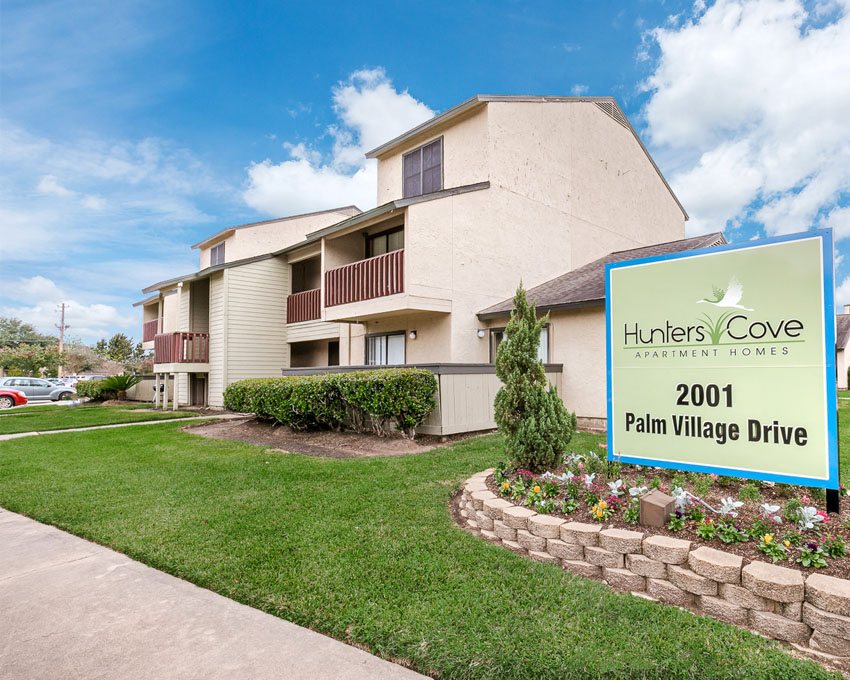
Existing-property risk is concentrated in what you buy and how you run it:
- Purchase price, and whether the in-place income supports it
- Physical condition and deferred maintenance that may not be obvious at first glance
- Quality of the rent roll, including collections and lease terms
- Operating execution, which depends heavily on the management team
- Interest rate and exit risk, including refinancing terms and the cap rate at sale
How each risk gets managed
On the development side, much of the work is about narrowing uncertainty before capital is committed. That means resolving entitlements early, pricing the project carefully, carrying contingency in the budget, and underwriting lease-up conservatively. It also means being willing to walk away when the numbers or the path to approval stop making sense.
On the existing-property side, the work is diligence and operations. Property condition reviews, rent roll audits, and a realistic capital plan come before closing. After closing, results depend on the onsite team. Because Cypressbrook manages its own communities, the same people who underwrite the plan are accountable for running it. We described what that looks like in practice in the first 90 days after acquisition.
Which one fits you?
It depends on what you want your capital to do:
- If current income matters most, existing-property deals usually line up better.
- If you have a longer horizon and are comfortable waiting through construction for the potential of greater value creation, development may fit.
Our suggested approach
For many investors, the answer is not one or the other. It is both, built over time. A portfolio that holds development and existing-property deals side by side can balance the two risk profiles: existing properties provide earlier, steadier cash flow, while developments offer the potential for greater value creation over a longer horizon.
That balance does not have to come all at once. We believe in building a portfolio one deal at a time, choosing each opportunity on its own merits rather than committing capital to a blind pool. Over the years, that approach lets investors add exposure across different markets, property types, and points in the cycle, while keeping visibility into every asset they own.
It also means no single deal has to do everything. A stabilized community can carry the income side of a portfolio while a new development works through construction and lease-up, and each one is evaluated on its own strengths.
Explore investing with Cypressbrook
Learn how Cypressbrook partners with accredited investors on development and existing-property opportunities across Texas and select growth markets.
Invest With UsThis article is for informational purposes only and reflects general investment perspectives. Timelines, cash flow patterns, and return drivers vary by project, market, and business plan. Past performance does not guarantee future results. All investments carry risk, including loss of principal. There is no assurance that any investment strategy will be successful. This is not an offer to sell or a solicitation of an offer to buy any securities. Offers are made only pursuant to applicable offering documents and only to qualified investors.