
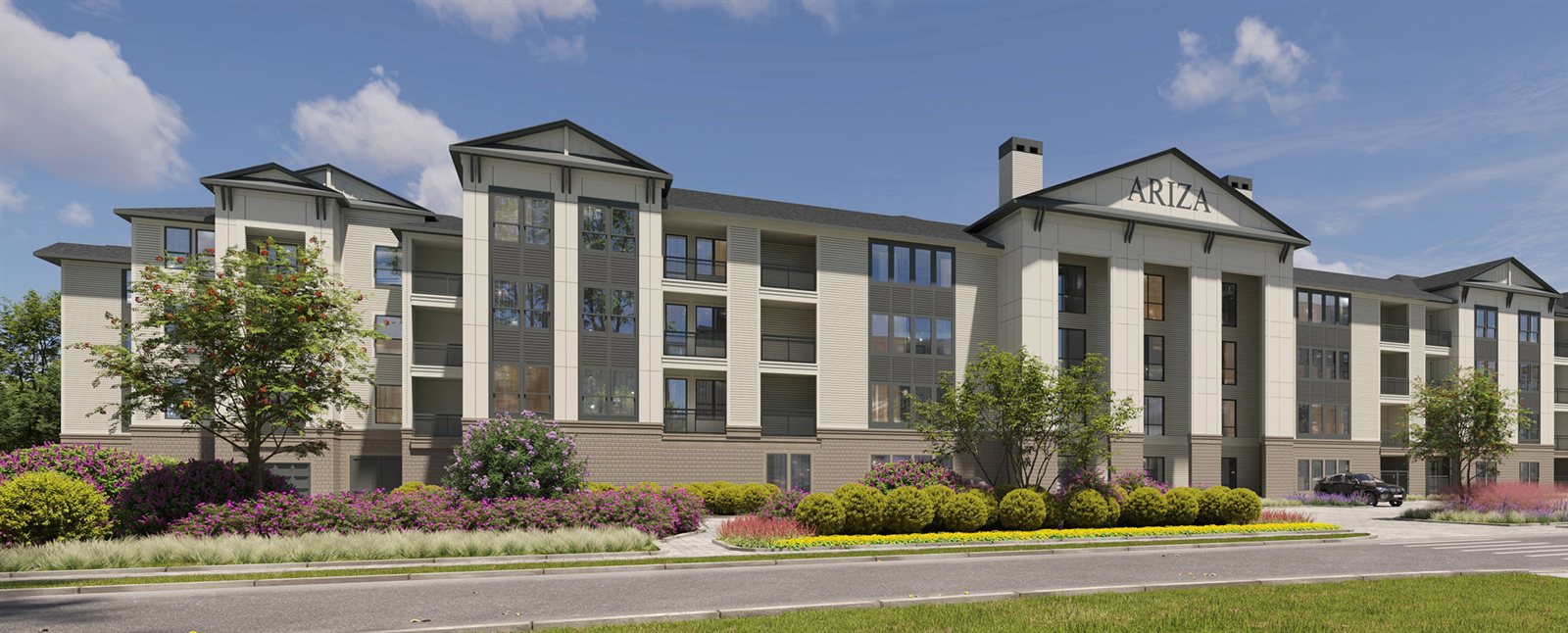
"Sound fundamentals" is one of those phrases that appears in nearly every development memo. It can also become a slogan that covers weak underwriting. Before dirt moves, the phrase has to mean something specific: durable demand, a manageable supply picture, an entitlement path you can execute, and a cost structure that still works when assumptions get stressed.
At Cypressbrook, we treat those four questions as the gate before design ambition and construction momentum take over. A strong rendering does not create rent. A good site story does not create approvals. And schedule pressure does not reduce hard costs.
Demand that lasts past the first lease-up
Demand is not a vibe. It is household formation, job growth, and the type of renter the submarket actually supports. We look for employment corridors and demographic patterns that can sustain occupancy after opening day incentives fade.
That means asking harder questions early:
- Who lives here today, and who is likely to live here when the community delivers?
- What rents and concessions are real in the competitive set, not aspirational?
- Does the unit mix match local demand, or does it match a brochure template?
- If growth slows, is there still enough depth to stabilize?
Sound demand fundamentals support both near-term lease-up and a longer hold. If the business plan only works in a perfect absorption month, it is not yet ready for dirt.

Supply you can see, and supply that is coming
Every submarket has a current competitive set and a future pipeline. Sound fundamentals require looking at both. Deliveries already under construction, entitled sites that can start, and land that is quietly assembling all affect what your community will face when it opens.
Cypressbrook is actively navigating its fifth downturn in company history. This cycle has been driven largely by oversupply in many of the markets where we operate and build, fueled by cheap post-COVID debt that pushed more product into the pipeline than local demand could absorb on a normal timeline. That is not theoretical for us. It is the environment our current deals have to survive.
We weigh:
- How much competing product is delivering in the same rent band
- Whether new supply is concentrated in one amenity or finish tier
- How long it may take the submarket to absorb overlapping deliveries
- What happens to concessions and renewal rates if several projects open close together
A strong location with too much simultaneous supply can still produce a painful lease-up. Fundamentals include that timing risk, not only the map pin. Location, financing terms, cost basis, and the rest of the underwriting have to be strong enough that we can work the deal through a high-supply stretch until the market absorbs product and returns to a healthier balance. Weak fundamentals leave little room to wait. Strong ones give the team time to operate through the cycle.

Entitlements as a real timeline, not a checkbox
Entitlements are where many projects look cleaner on paper than they are in practice. Zoning path, utilities, off-site requirements, easements, floodplain constraints, neighboring uses, and political risk all affect whether the land can support the plan on a workable schedule.
Every deal has its own story and path, but our standard is the same: we spend extensive time working through key entitlements and political risks until there is a clear line of sight to execute, often six to eighteen months of that work, before a project is even presented to an investor. We would rather carry that diligence early than ask partners to underwrite unresolved approval risk.
Before dirt moves, we want a clear view of:
- What is already approved versus what still requires discretion
- Which conditions create cost or delay if they change
- Whether utility capacity and access are reliable enough for the program
- How long the approval path actually takes in that jurisdiction
A beautiful site that cannot be entitled on a predictable path is not yet a development opportunity. It is an option with unresolved risk.

Cost risk before momentum takes over
Construction pricing, contingencies, financing assumptions, and off-site costs need to be stress-tested before the team falls in love with the schedule. Sound fundamentals include what the deal can tolerate if bids come in high, rates move, or scope expands.
Part of that discipline is how we build the bid. We invest in relationships with multiple contractors so competition stays in the process when a deal is being priced. A single relationship can be comfortable. A competitive field is how we pressure-test cost assumptions against the market.
That review usually includes:
- Hard costs against current market pricing, not last year's comps
- Contingency sized for known unknowns on the site
- Capital structure that still works under slower lease-up or softer rents
- Clear ownership of cost drivers that often appear late: utilities, drainage, retaining, and off-site work
Momentum is useful after the underwriting holds. Before dirt moves, discipline matters more than speed for its own sake.
How Cypressbrook uses the phrase
When we say an opportunity has sound fundamentals, we mean the demand story is durable, the supply picture is understood, the entitlement path is executable, and the cost structure still makes sense under stress. Those four points are what allow design, construction, and lease-up to proceed with purpose.
That standard also protects partners. Accredited investors evaluating a development process deserve clarity about what was underwritten before groundbreaking, not only what looks finished after delivery.
The practical test
Before dirt moves, ask one question: if one major assumption weakens, does the business plan still stand? If the answer depends on everything going right, the fundamentals are not finished yet.
Sound fundamentals are not a slogan. They are the conditions that make a multifamily project worth building.
Explore Cypressbrook Development
See how Cypressbrook evaluates and delivers multifamily communities across Texas and select growth markets.
View DevelopmentThis article is for informational purposes only and reflects general development perspectives. Practices vary by market, site, and project. Past performance of any asset or strategy does not guarantee future results. This is not an offer to sell or a solicitation of an offer to buy any securities. Offers are made only pursuant to applicable offering documents and only to qualified investors.